The Growing Challenges of Vault Apps in a Security-First World
In today’s security-first digital environment, where The Growing Challenges of Vault Apps in a Security-First World are becoming increasingly evident, protecting sensitive information is no longer optional. Passwords, API keys, tokens, and private secrets are the backbone of both personal and professional workflows. Yet many users—especially on Windows—still rely on unsafe storage methods that expose them to serious risks.
Secure vault applications have become a foundational tool for modern Windows users, developers, and teams. However, not all vault apps are built to meet today’s security and productivity demands. The Growing Challenges of Vault Apps in a Security-First World are multifaceted, and it’s crucial to address these challenges to ensure the security and integrity of sensitive information.
The Growing Challenges of Vault Apps in a Security-First World
Windows remains the most widely used desktop operating system in the world. That popularity makes it a frequent target for credential-based attacks, malware, and data theft. Common security issues still seen today include:
* Passwords stored in plain text files
* Reused credentials across multiple services
* API keys hardcoded in projects
* Secrets saved in browsers or notes apps
* No encryption or access control
These practices persist because many security tools are either too complex, cloud-dependent, or not designed with Windows desktop workflows in mind. The Growing Challenges of Vault Apps in a Security-First World are further complicated by the lack of user-friendly and secure vault applications.
Modern Vault App Challenges
Many password managers focus primarily on mobile or browser extensions. On Windows, users often need a full desktop application that works offline, integrates cleanly with the OS, and does not depend entirely on the cloud.
A secure Windows vault must prioritize:
* Local encryption
* Offline access
* Controlled data ownership
The Importance of Addressing The Growing Challenges of Vault Apps in a Security-First World
The Growing Challenges of Vault Apps in a Security-First World are becoming increasingly complex. As users and developers rely more heavily on vault apps, the need for secure, user-friendly, and transparent tools is growing. The Growing Challenges of Vault Apps in a Security-First World require a comprehensive solution that addresses the unique needs of Windows users.
Managing More Than Just Passwords
Today’s users—especially developers—manage far more than login credentials. A modern vault must support:
* API keys
* Tokens
* Environment secrets
* Project-based organization
Traditional password-only tools are no longer sufficient. The need for a comprehensive vault app that can handle a wide range of sensitive information is becoming increasingly important.
Trust, Transparency, and Control
Windows users increasingly demand transparency in how their data is stored and protected. Vault apps must clearly communicate:
* Where data lives
* How it’s encrypted
* Whether cloud backup is optional or mandatory
Lack of clarity quickly erodes trust. The Growing Challenges of Vault Apps in a Security-First World require a deep understanding of user needs and expectations.
Why Secure Vault Apps Are More Important Than Ever
Credential leaks are no longer isolated incidents. For individuals, leaked passwords mean account takeovers. For developers and businesses, leaked secrets can lead to:
* Infrastructure breaches
* Financial losses
* Data exposure
* Service downtime
On Windows, where development, administration, and productivity often converge, having a reliable vault is a core security requirement—not an optional add-on. The Growing Challenges of Vault Apps in a Security-First World are a pressing concern for individuals and organizations alike.
How PassGen Secrets Vault Addresses These Challenges
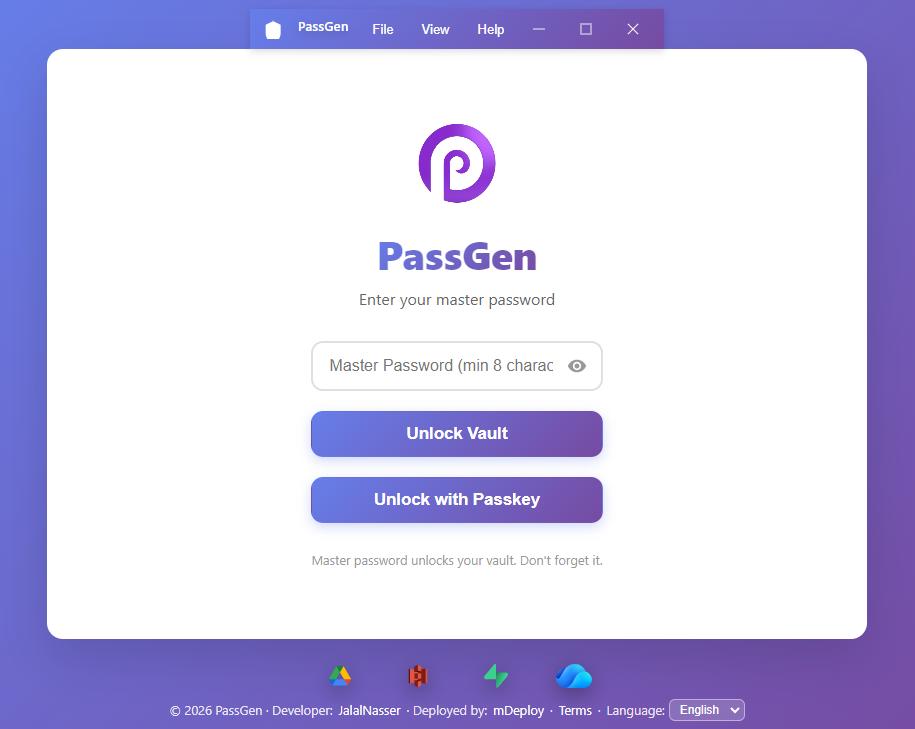
PassGen Secrets Vault is a Windows desktop vault application built specifically to address the real-world security challenges faced by modern users and developers.
It focuses on a desktop-first, Windows-native experience, offering:
* An encrypted offline vault for local control
* Secure password storage and management
* A powerful password and secret generator
* Support for developer secrets such as API keys and tokens
* Clear upgrade paths for users who need expanded features or optional cloud backup
By prioritizing local encryption, transparency, and usability, PassGen Secrets Vault helps users adopt better security practices without sacrificing productivity.
A Better Direction for Windows Security Tools
As security threats continue to evolve, Windows users need tools that respect control, privacy, and real workflows. Vault apps must move beyond basic password storage and adapt to how people actually work today—especially developers and power users.
Choosing a secure vault app is no longer just about convenience. It’s a foundational decision that impacts privacy, security, and long-term trust.
The Future of Vault Apps in a Security-First World and The Growing Challenges of Vault Apps in a Security-First World
The future of vault apps in a security-first world is uncertain, but one thing is clear: The Growing Challenges of Vault Apps in a Security-First World will continue to evolve and grow. As users and developers become more aware of the importance of security and data protection, the demand for secure and user-friendly vault apps will increase.
## Best Practices for Vault App Users and The Growing Challenges of Vault Apps in a Security-First World
To get the most out of a vault app, users should follow best practices such as:
* Using strong, unique passwords for all accounts
* Enabling two-factor authentication whenever possible
* Regularly updating and patching software
* Monitoring account activity for suspicious behavior
By following these best practices and using a secure vault app, users can significantly reduce the risk of credential-based attacks and data breaches.
## The Importance of Local Encryption
Local encryption is a critical feature of any vault app. By encrypting data locally, users can ensure that their sensitive information is protected, even if the vault app is compromised. The Growing Challenges of Vault Apps in a Security-First World make local encryption a must-have feature for any vault app.
## The Role of Artificial Intelligence in Vault Apps
Artificial intelligence (AI) is playing an increasingly important role in vault apps. AI-powered vault apps can help users generate strong, unique passwords, detect suspicious activity, and provide personalized security recommendations. The Growing Challenges of Vault Apps in a Security-First World make AI a valuable tool in the fight against cyber threats.
## The Growing Challenges of Vault Apps in a Security-First World Best Practices
Following best practices is crucial for maximizing the effectiveness of vault apps in addressing The Growing Challenges of Vault Apps in a Security-First World. This includes regularly reviewing and updating stored credentials, ensuring that all sensitive information is encrypted, and using two-factor authentication whenever possible. Additionally, users should prioritize vault apps that offer transparent data storage and protection practices, allowing users to maintain control over their sensitive information. By combining these practices with a secure and user-friendly vault app, individuals and organizations can significantly mitigate the risks associated with credential-based attacks and data breaches, thereby enhancing their overall security posture in a security-first world. Implementing these best practices requires a thorough understanding of the unique challenges posed by The Growing Challenges of Vault Apps in a Security-First World and a commitment to adopting proactive security measures.
## Common The Growing Challenges of Vault Apps in a Security-First World Mistakes to Avoid
When dealing with The Growing Challenges of Vault Apps in a Security-First World, there are several common mistakes that users should avoid. One of the most significant errors is relying on vault apps that lack local encryption, as this can leave sensitive information vulnerable to unauthorized access. Another mistake is failing to regularly update and patch vault apps, which can lead to exploitation of known vulnerabilities. Furthermore, using vault apps that do not support two-factor authentication or that have unclear data storage and protection practices can also compromise security. By being aware of these potential pitfalls and taking steps to avoid them, users can ensure that their vault apps effectively address The Growing Challenges of Vault Apps in a Security-First World and provide the necessary protection for their sensitive information.
## Frequently Asked Questions about The Growing Challenges of Vault Apps in a Security-First World
### Q: What are the primary challenges associated with vault apps in a security-first world?
The primary challenges associated with vault apps in a security-first world include ensuring local encryption, providing transparent data storage and protection practices, supporting two-factor authentication, and adapting to the evolving needs of users and developers. These challenges are crucial for vault apps to effectively address The Growing Challenges of Vault Apps in a Security-First World and provide secure and user-friendly solutions for managing sensitive information.
### Q: How can users evaluate the security of a vault app in addressing The Growing Challenges of Vault Apps in a Security-First World?
Users can evaluate the security of a vault app by examining its encryption methods, data storage practices, and authentication mechanisms. It is also essential to consider the app’s transparency regarding how user data is handled and protected. Additionally, users should look for vault apps that offer regular updates and patches, as well as clear upgrade paths for expanded features or optional cloud backup. By carefully assessing these factors, users can determine whether a vault app is capable of effectively addressing The Growing Challenges of Vault Apps in a Security-First World.
### Q: What role does artificial intelligence play in vault apps addressing The Growing Challenges of Vault Apps in a Security-First World?
Artificial intelligence (AI) plays a significant role in vault apps by enhancing their ability to generate strong, unique passwords, detect suspicious activity, and provide personalized security recommendations. AI-powered vault apps can analyze user behavior and adapt to the evolving security landscape, making them more effective in addressing The Growing Challenges of Vault Apps in a Security-First World. By leveraging AI, vault apps can offer more robust security features and improve the overall security posture of individuals and organizations, thereby helping to mitigate the risks associated with credential-based attacks and data breaches.
## Conclusion
In conclusion, The Growing Challenges of Vault Apps in a Security-First World are complex and multifaceted. To address these challenges, vault apps must prioritize local encryption, transparency